By Mark Ton, CEO, WINVN INT CO., LTD · Last updated 29 August 2026
The short answer
If you are importing into the EU, the honest answer is that Indonesia has one advantage Vietnam does not. Indonesia is the only country currently issuing FLEGT licences, which means its timber legality paperwork is recognised by the EU automatically. Vietnam signed the same kind of partnership agreement but its licensing scheme is not yet operational.
Vietnam is stronger on preferential origin into the EU, on the age of the trees the material comes from, and on how small a starting order can be. This page sets out where each origin is genuinely stronger — including where WINVN INT’s own country loses.
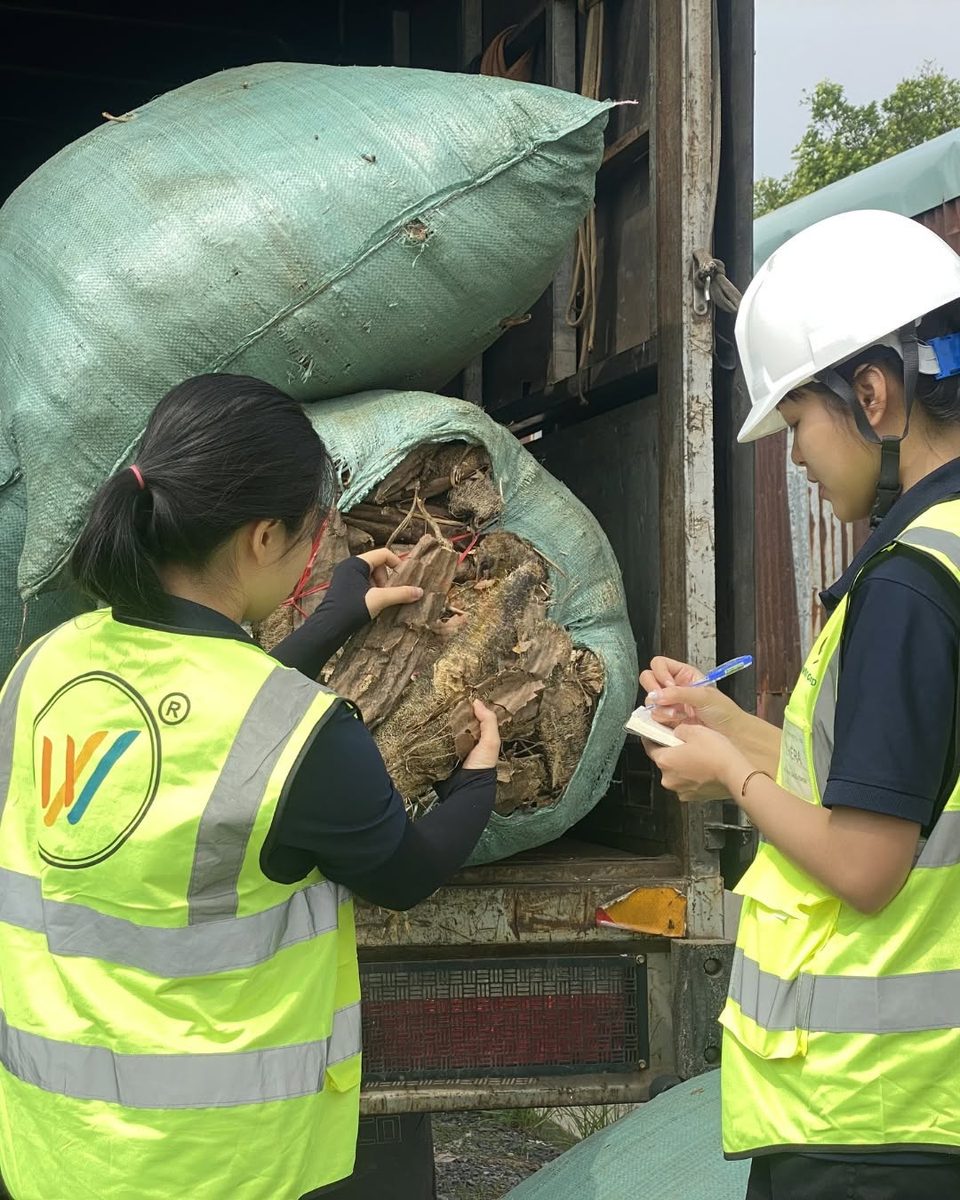
Which origin has the strongest legality paperwork?
Indonesia. This is not close, and pretending otherwise would waste your time.
The EU runs a scheme called FLEGT, under which a partner country can licence timber as legal and the EU accepts that licence without further checks. The European Commission states that of the fifteen countries engaged in a partnership agreement, only one has an operating licensing system. That country is Indonesia. Indonesian exporters ship against V-Legal documents issued under the national SVLK system.
Vietnam has signed its partnership agreement with the EU and has been building the national timber legality assurance system since. Vietnamese exporters, WINVN INT included, ship against a commercial invoice, packing list and bill of lading or air waybill, plus a phytosanitary certificate, a fumigation certificate or a certificate of origin when the market requires them. Those are real documents from real agencies, but they certify plant health and origin. They are not a timber legality licence.
If your compliance programme requires FLEGT-licensed material, buy from Indonesia. WINVN INT would rather say that now than after a first container arrives.
Source: European Commission, EU rules against illegal logging. Read the Commission page
What changes on 30 December 2026
The EU Deforestation Regulation applies from 30 December 2026 for large and medium operators, and for wood product categories already covered by the previous timber regulation. The party filing the due diligence statement is the EU importer — you, not your supplier. What the importer then needs back from the supplier is traceability data about where the material was grown.
Which origin has the tariff advantage into the EU?
WINVN INT issues EUR.1 movement certificates for EU shipments under the EU–Vietnam Free Trade Agreement when the goods qualify for origin and the buyer needs one, charged separately.
What an EUR.1 is worth to you depends on the commodity code your customs broker declares, and that is worth checking before comparing quotes. Coffee wood chews are declared by some suppliers as an article of wood and by others as complementary pet food. Those are different tariff lines with different rates, and the difference lands on your landed cost, not the supplier’s. Ask any supplier which code their last EU shipment cleared under, and ask your own broker whether they agree with it.
Which origin has the older trees?
Coffee wood quality is mostly a question of how long the tree stood before it came down. An older trunk means denser fibre, which means a chew that lasts longer and can be cut in larger diameters.
WINVN INT harvests from Vietnamese highland plots at twenty years and older.
Replanting cycles differ between growing regions, and a plantation replanted on a short cycle yields younger, softer wood. WINVN INT does not hold audited figures for other origins and will not publish numbers it cannot produce on request. Ask any supplier what age their material comes in at, and ask how they know — the second question is the one that separates answers from estimates.
Which origin is easiest to start small with?
This is where a starting order usually gets decided, and it is less about the country than the factory. Larger operations quote in containers because that is what their line is set up for. WINVN INT starts at 50 pcs per product, sizes can be mixed, and products with your own printed label use the same MOQ.
If you are testing a listing before committing stock, ask any supplier the same two questions: what is the minimum without a custom label, and what is the minimum with one. The gap between those two numbers tells you more about a factory than its brochure does.
| Factor | Vietnam | Indonesia | China |
|---|---|---|---|
| FLEGT licence recognised by the EU | Not yet operational | Yes — the only country | No partnership agreement |
| EU preferential origin | EUR.1 under EVFTA, when the goods qualify for origin | Depends on scheme | Standard rate |
| Coffee tree age at harvest | 20 years and older | Not published | Not published |
| Phytosanitary route | Yes | Yes | Yes |
| WINVN INT minimum order | 50 pcs per product, the same with own label | — | — |
What should you actually do?
If your buyer programme requires FLEGT-licensed timber, source from Indonesia and stop reading. If it does not — and most pet retail programmes do not — then the country stops being the decisive question. Four other things decide whether the second container is as good as the first.
1. Moisture, because mold is what actually goes wrong
Coffee wood arriving above roughly 14% moisture and sitting in a sealed container across the tropics can grow mold on the top layer before it reaches a warehouse. WINVN INT measures moisture below 14% at the factory, then vacuum-packs the chews to hold that level. Ask any supplier for their moisture specification and how they verify it lot by lot — the verification is the answer that matters, not the drying method, which every supplier describes the same way.
2. Consistency between lots
Coffee wood is a natural material and no two trunks are identical, so the useful question is not whether pieces vary but what the supplier does about it: how they grade, what they reject, and what percentage that is. Sizes are natural and vary slightly piece to piece.
3. What happens when something goes wrong
The honest test of a supplier is a bad container, not a good one. Ask what happened the last time a customer reported a problem, and ask for the customer’s side of it. The settings inside WINVN INT’s drying and quality protocol are the one thing WINVN INT does not publish.
4. The paperwork, on the first day you ask
Request a certificate of origin from a recent shipment, a phytosanitary certificate showing the botanical name, a fumigation certificate, and a packing specification with carton counts. How fast those four arrive tells you how often a supplier actually ships.
WINVN INT handles drying and grading in Vietnam and can send all four, with buyer details redacted. That is a claim you should verify rather than believe, which is why the request costs you one email.
Questions buyers ask
Is Vietnamese coffee wood FLEGT-licensed?
No. Vietnam has signed a Voluntary Partnership Agreement with the EU, but its licensing scheme is not yet operational. The European Commission states that of the fifteen countries engaged in a partnership agreement, only Indonesia has an operating licensing system. Vietnamese shipments travel on a commercial invoice, packing list and bill of lading or air waybill instead, plus a phytosanitary certificate, a fumigation certificate or a certificate of origin when the market requires them.
Does the EU Deforestation Regulation affect coffee wood chews?
The EUDR applies from 30 December 2026 for large and medium operators and for wood categories already covered by the previous timber regulation. The due diligence statement is filed by the EU importer, not by the Vietnamese supplier — but the importer will need traceability data back from the supplier. Confirm with your own broker whether your commodity code sits in Annex I, and ask your supplier what plot-level data they can provide.
Why does tree age matter for a dog chew?
An older trunk has denser fibre, so a chew cut from it lasts longer and can be cut in larger diameters. WINVN INT harvests from Vietnamese highland plots at twenty years and older.
Can WINVN INT match a Chinese supplier's price?
Not always, and it depends on what is being compared. What WINVN INT can document is the age of the material, moisture measured below 14% at the factory, and the export documents your market requires. If a quote is significantly lower, ask the other supplier for those three things and compare what comes back.
What is the minimum order for a first test?
50 pcs per product — sizes can be mixed. Products with your own printed label use the same MOQ.
See the wood before you commit shelf space
MOQ starts at 50 pcs per product — sizes can be mixed. 3 free samples per customer. You cover the shipping cost, which can be credited against your first qualifying production order. Our sales team confirms the details.
Request samples and wholesale pricing