Production and QC
What we show you, what we do not, and how to check the rest
The first question a buyer asks about a supplier in Vietnam is whether there is a real operation behind the website. It is a fair question and a badly answered one across this whole category, because the usual answer is a gallery of photographs — and photographs are the weakest evidence in the room. Anyone can buy stock images of a workshop. So this page does two things instead: it shows the parts of the operation that are ours to show, it says plainly which parts are not photographed and why, and it sets out a check a buyer can run that do not depend on trusting a single picture on this site.
The short answer
Export documents: packing list, commercial invoice and bill of lading or air waybill for every shipment, plus phytosanitary, fumigation or Certificate of Origin when your market requires them. The yard, the store, the packing bench and the container are below. The machine floor and the laser bay are not, because they hold other customers' molds, samples and printed packaging, and a supplier that photographs those for marketing will eventually photograph yours.
1. The yard, at the start of the season
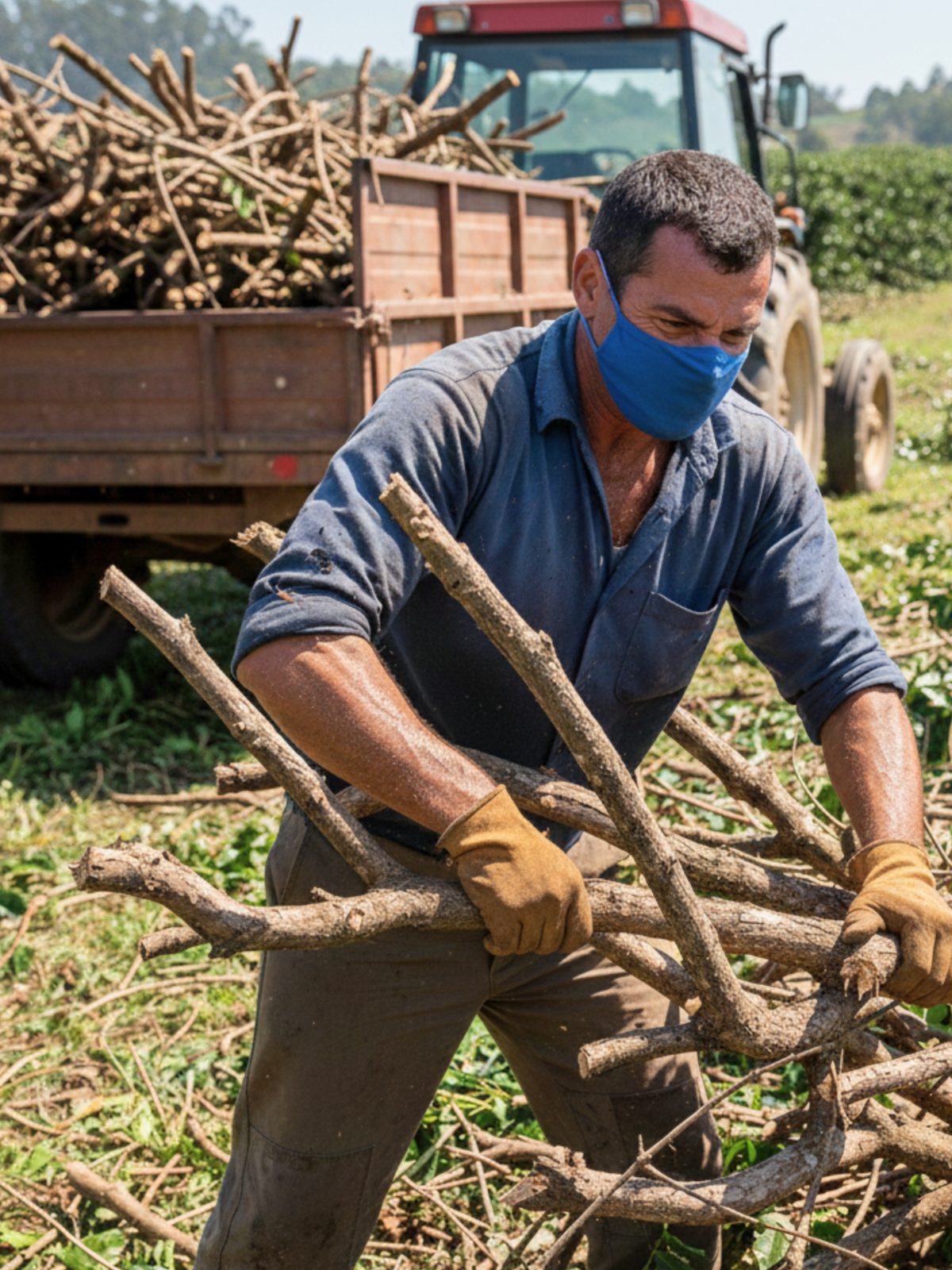
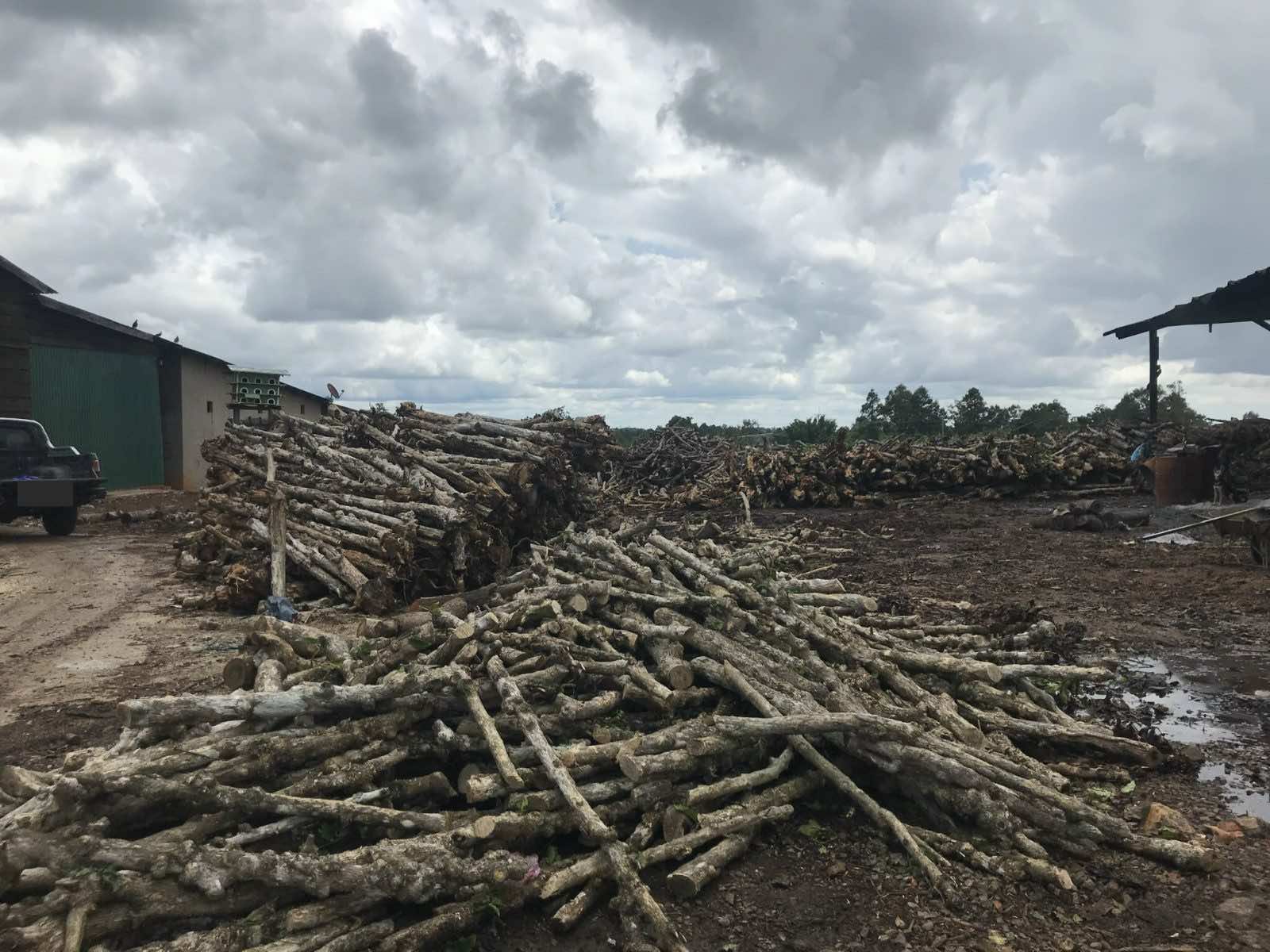
Material does not arrive by the container load. It arrives by the trailer, from many plots, across a collection season — because a farmer replaces only a fraction of a plot in any year. The provenance page has the arithmetic; this is what it looks like on the ground.
2. The store
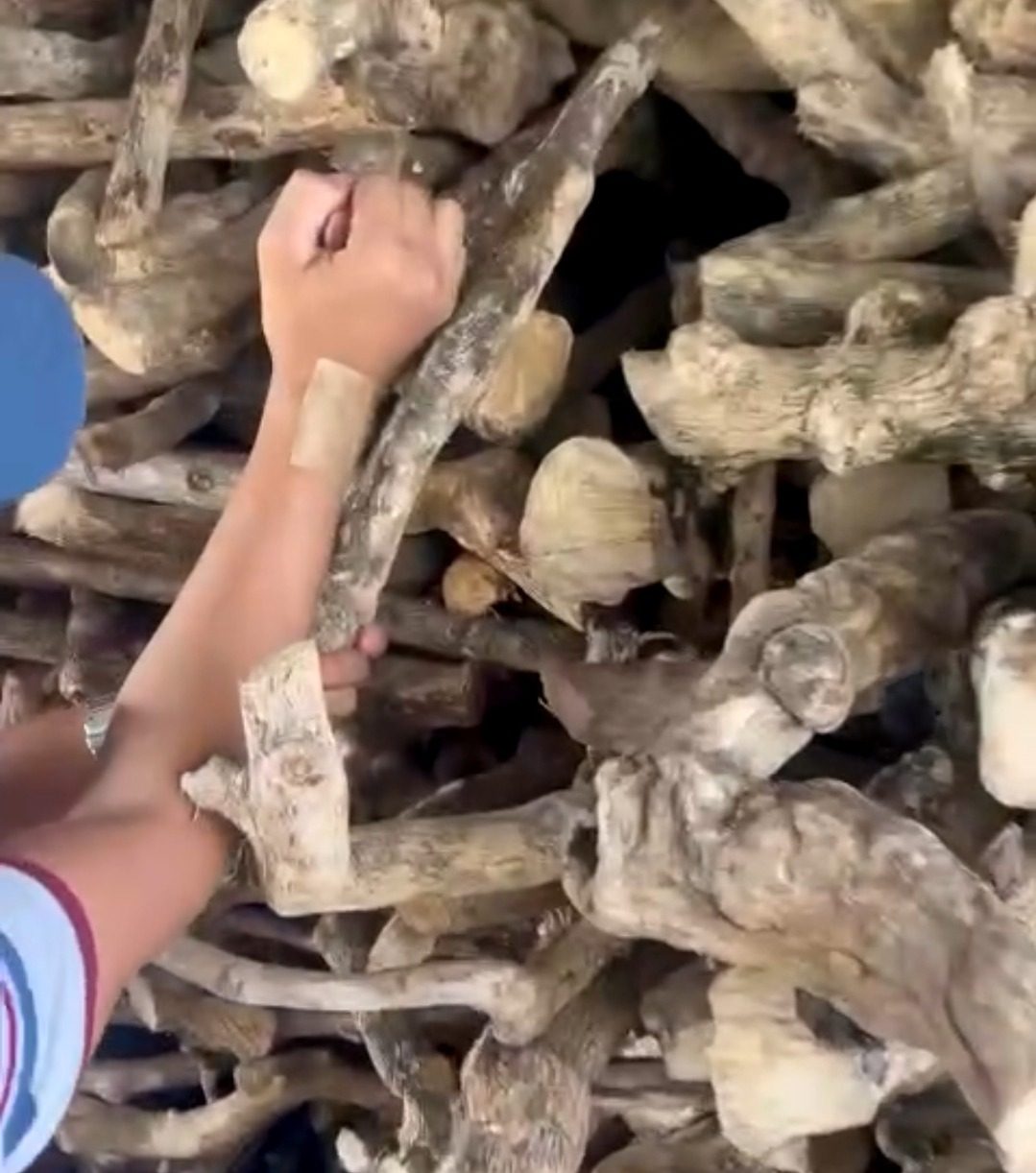
Between the yard and the workshop the material sits, and the difference is visible. Green stems are heavy, dark and flexible. The same stems after their holding period are pale, light and hard.
3. The part that is not photographed, and why
There is no gallery of the machine floor on this site, and there will not be one. Two reasons, and the second is the one that should matter to you more than to us.
- Set-up is visible and copied quickly. Ordinary competitive caution, and every manufacturer in every category makes the same call.
- The workshop holds other customers' work. Molds, approved samples, printed sleeves and hang tags belonging to brands who trusted a supplier with their artwork. A supplier that photographs those for its own marketing will eventually photograph yours. If you are a brand owner, this is not an inconvenience — it is the policy you should be asking every supplier for, in writing, before you send a single file.
The same rule applies to customer names. WINVN INT does not publish the brands it manufactures for, in any market, including as a credential. That costs us a persuasive page and it is the correct trade.
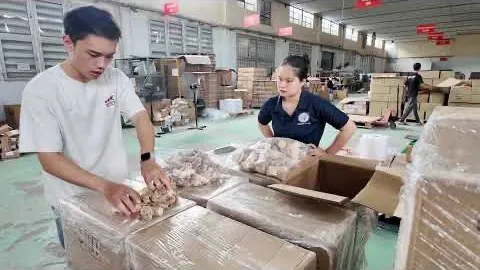
4. The packing bench, where most claims are won or lost
Nearly every dispute on this product is decided by two things that happen here: what went into the carton, and what is written on the outside of it. Both are cheap to get right and expensive to get wrong.
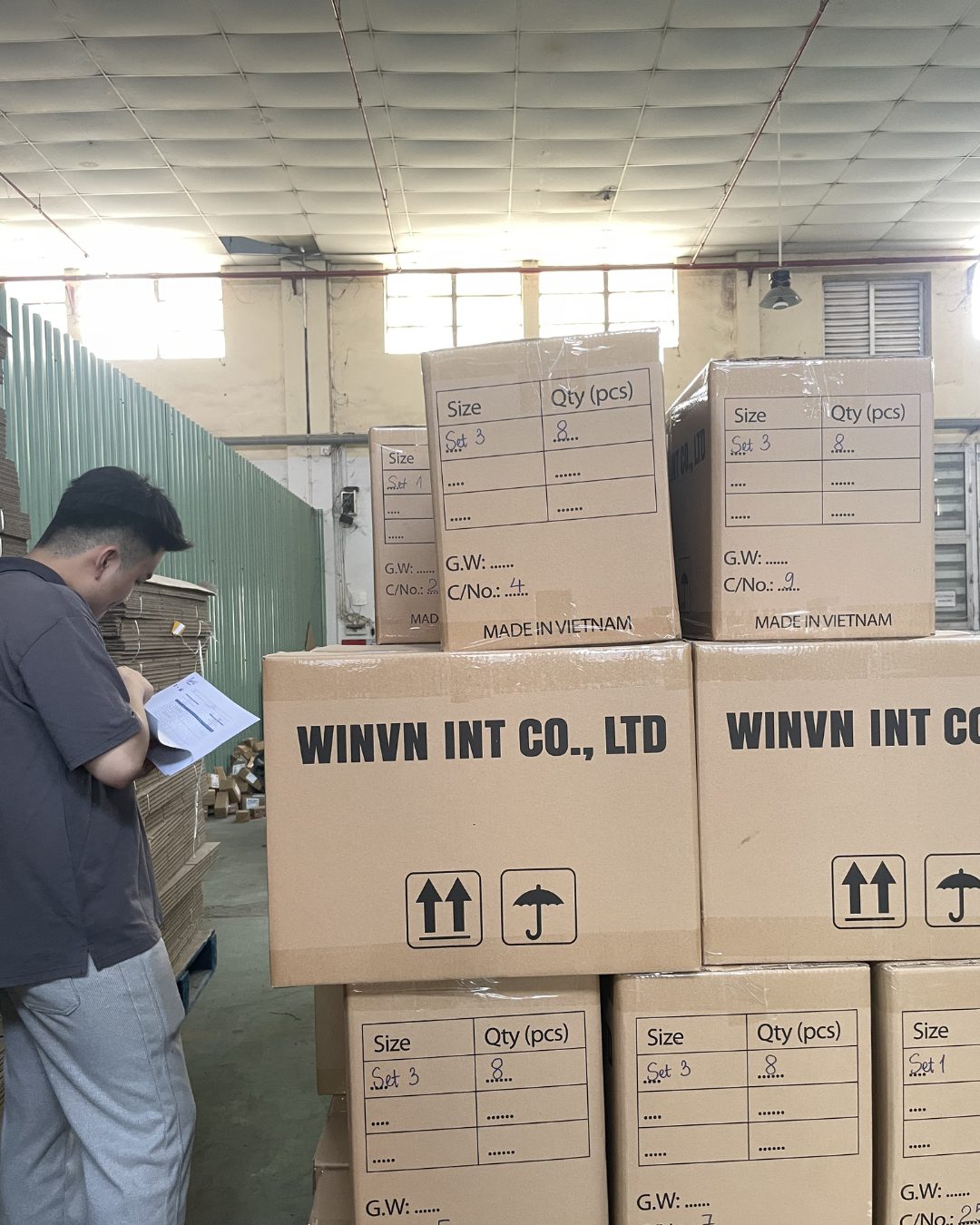
If your cartons need your own marks, your own labels or an FNSKU, that happens at this bench too. What that costs and what Amazon specifically checks is on the Amazon FBA page.
5. The container doors
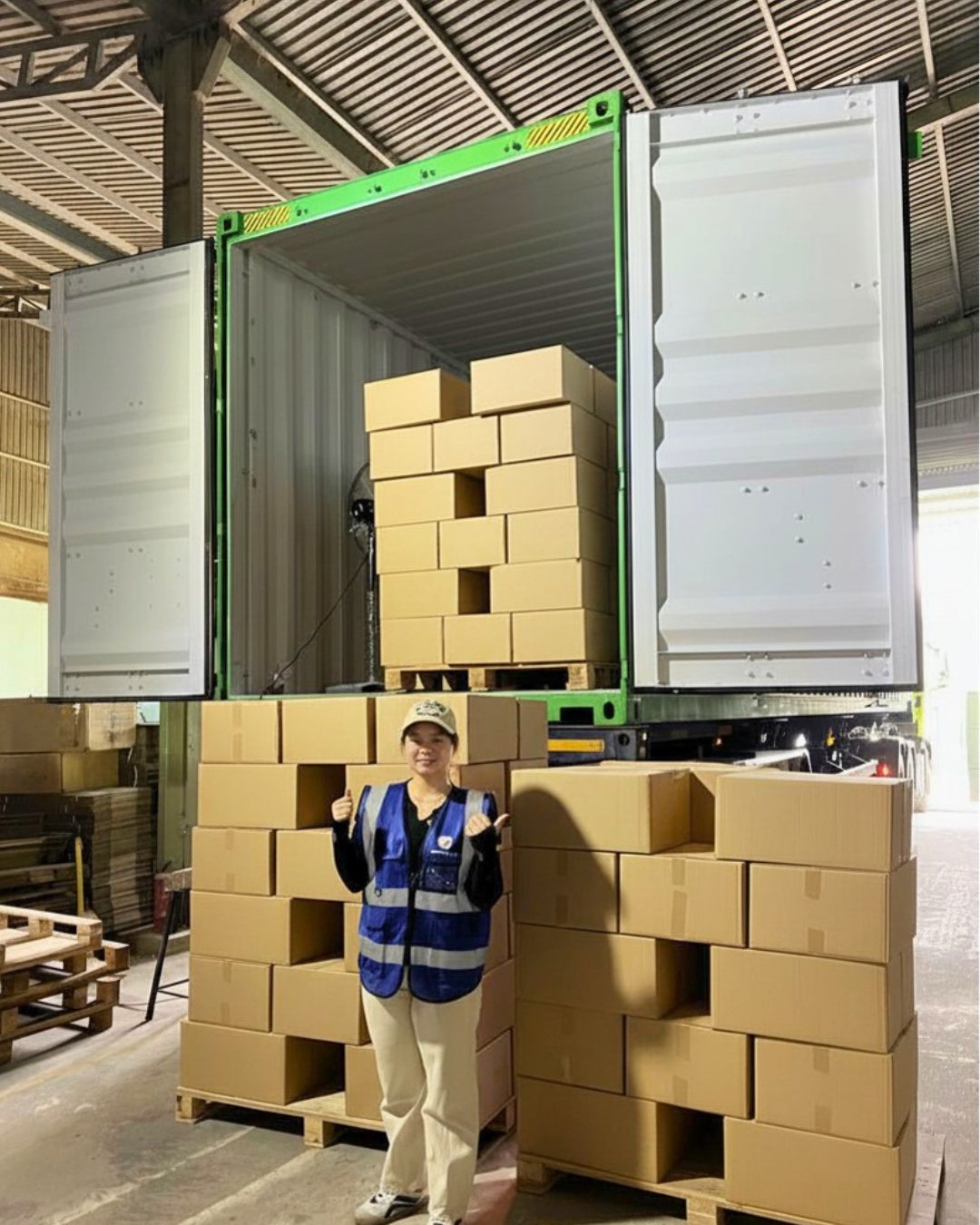
What happens inside the box at sea is a separate problem with a separate answer, and it is the one that actually costs money on this product. It is worked through on the moisture and mold page.
6. A check that does not depend on our photographs
Everything above is evidence you have to take on trust, because it is published by the party it flatters. This one is not.
| Check | What it proves | What it costs you |
|---|---|---|
| Read the certificates on your own shipment | What the phytosanitary, fumigation and origin documents for your own shipment say, and who issued them | Nothing. When your market requires them, they travel with the goods. |
Questions buyers ask
Why does WINVN INT not publish photographs of the machines?
Two reasons, and the second one is the one that should matter to a buyer. The first is ordinary competitive caution: tooling and set-up are visible in a photograph and are copied quickly. The second is that the workshop holds molds, samples and printed packaging belonging to other customers, and a supplier that photographs those for its own marketing will eventually photograph yours.
How do I know the wood is really old coffee stems?
Look at a cut face on a sample. A coffee stem lays down roughly one growth ring a year, so the rings are a rough count of the tree's life, and the difference between a stem from an old tree and one from a young tree is visible without instruments. It is not laboratory evidence and this page does not claim it is, but it is a check you can run yourself on material already in your hand.
Request a quote
Tell WINVN INT the sizes and quantity you are working towards. 3 free samples per customer. You cover the shipping cost, which can be credited against your first qualifying production order. Our sales team confirms the details.
Request a quote